An illuminated sign is an electrical assembly first and a graphic second. Get the module layout, driver sizing and thermal management right and the sign looks the same in year eight as it did on day one. Get them wrong and you end up with visible hot spots, dark corners and a service call every winter.
We build illuminated cabinets, light boxes, backlit fascias and push-through letter panels to order. Every unit is calculated rather than estimated: we work out the lumen requirement for the face area and material, lay the modules out to suit the cabinet depth, size the driver with headroom, and label the feeds so an electrician can connect it without guesswork.
Applications
- Single and double-sided illuminated cabinets
- Backlit fascia panels and soffit signage
- Push-through acrylic letter panels
- Menu boards, directories and wayfinding
- Interior feature and reception lighting
How we build them
- Face area, material transmission and viewing distance determine the lumen target.
- Cabinet is fabricated from extruded or formed aluminium with a serviceable access detail.
- Interior is coated white to maximise reflectance before modules go in.
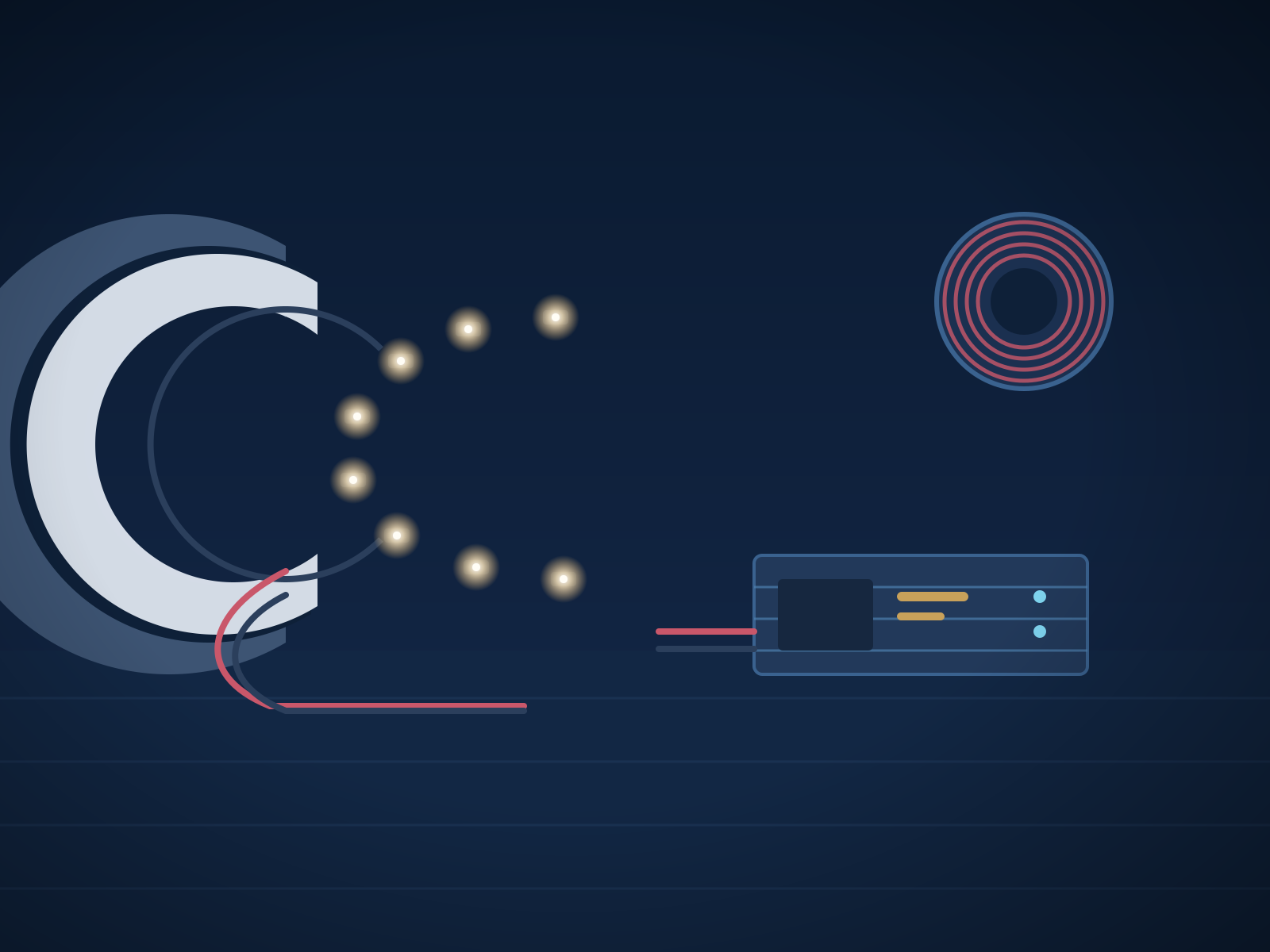
- Modules are laid out to the calculated spacing and wired in labelled runs.
- Drivers are mounted with airflow and rated at 80% of capacity for longevity.
- The unit is run for a burn-in period on the bench and inspected for uniformity.
Benefits of led illuminated signs
Roughly 80% less draw than fluorescent
Replacing an older fluorescent cabinet with LED typically cuts running cost dramatically and removes the annual tube-and-ballast routine.
Uniform face brightness
Calculated module spacing means no banding or bright patches, even on shallow cabinets and large faces.
Designed to be serviced
Access panels, labelled runs and standard components mean a future repair is quick and cheap rather than a rebuild.
Sealed and rated for outdoors
Gasketed entries, IP-rated modules and correctly specified drivers keep BC weather out of the electrics.
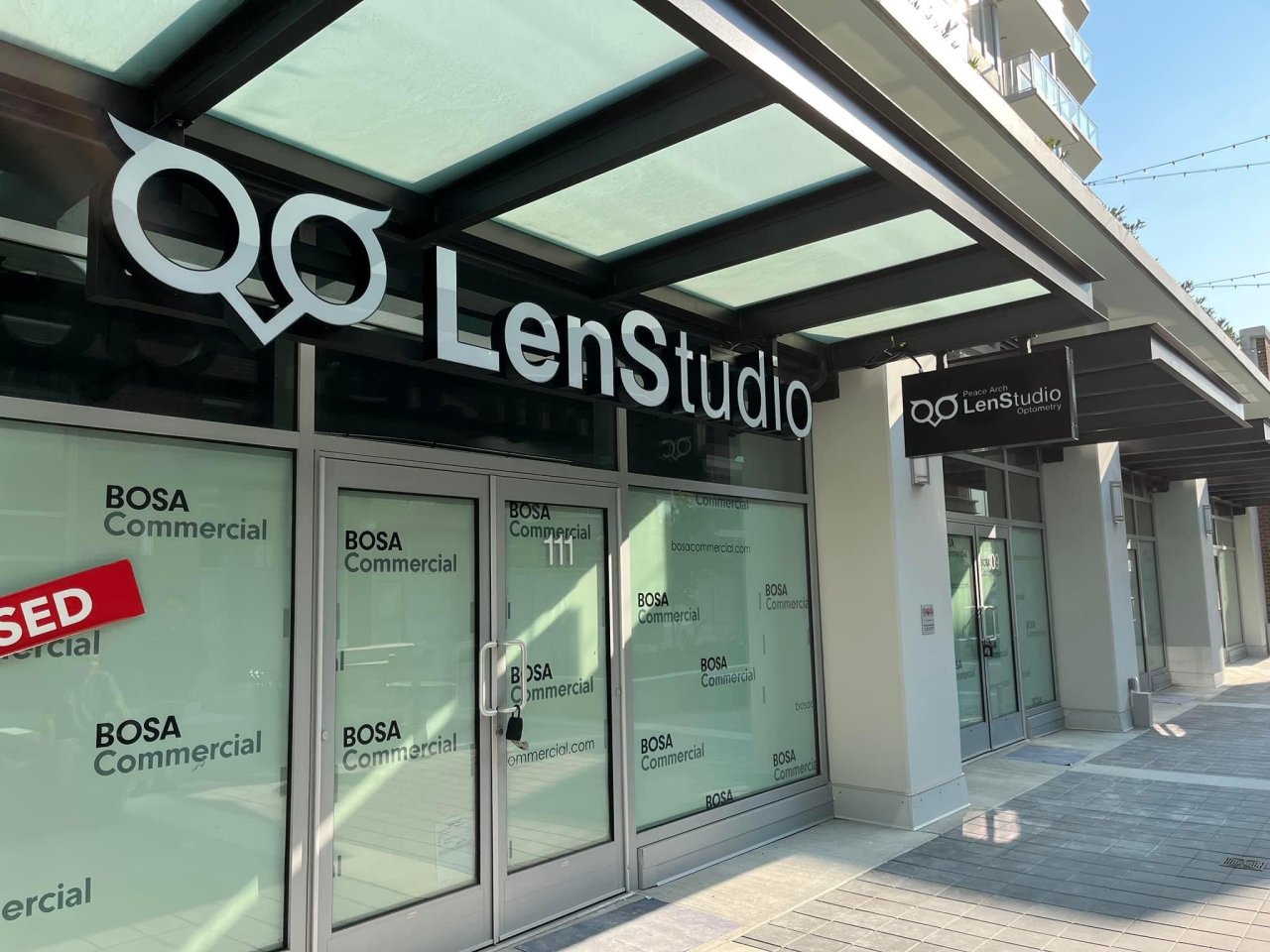
LED Illuminated Signs — recent work
Common questions
If your question is not answered here, get in touch — we are happy to talk through the detail.
Get an illuminated sign specified properly
Send dimensions and a photo of the location. We will confirm cabinet construction, module layout and driver sizing with your quote.