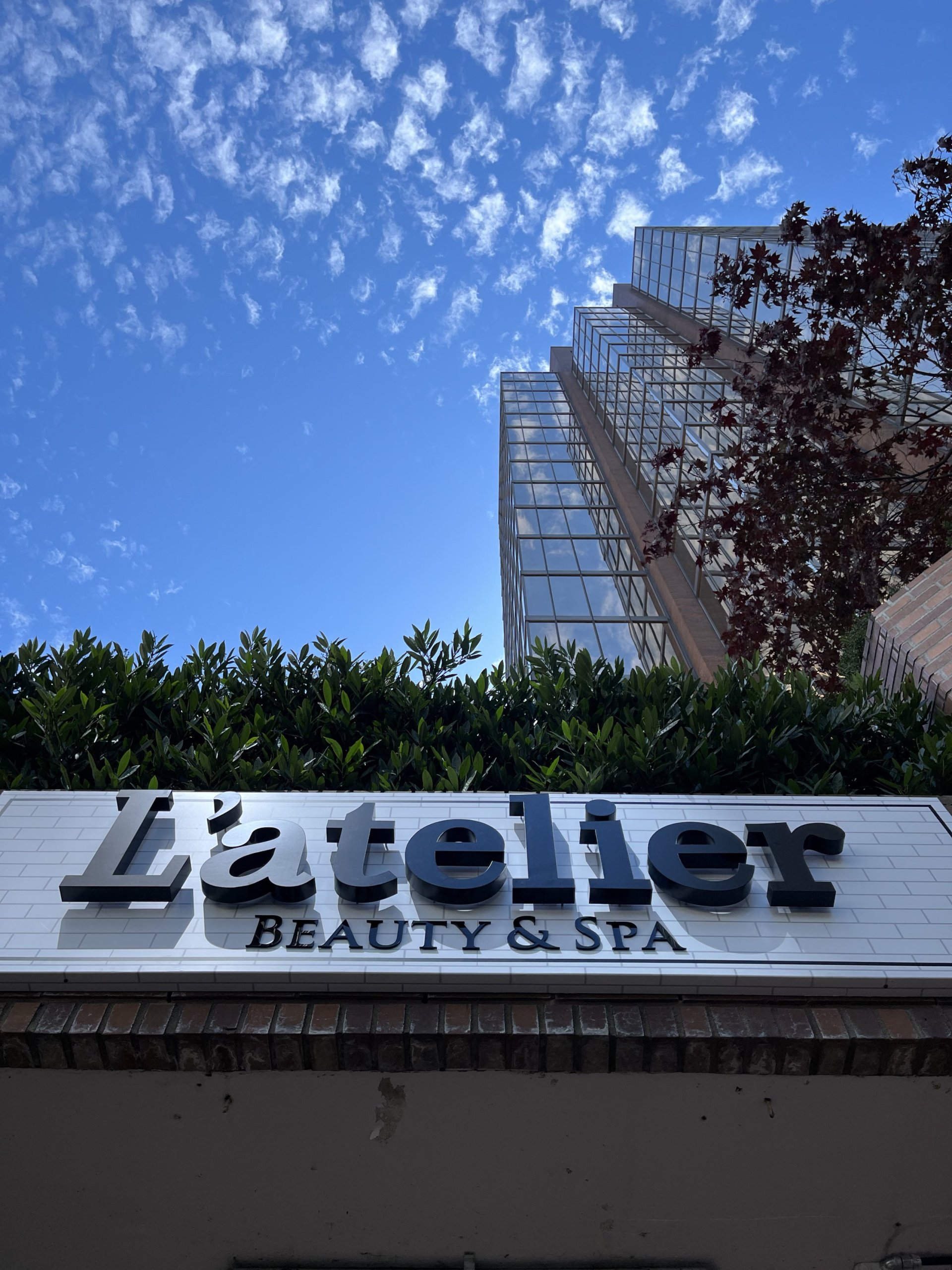
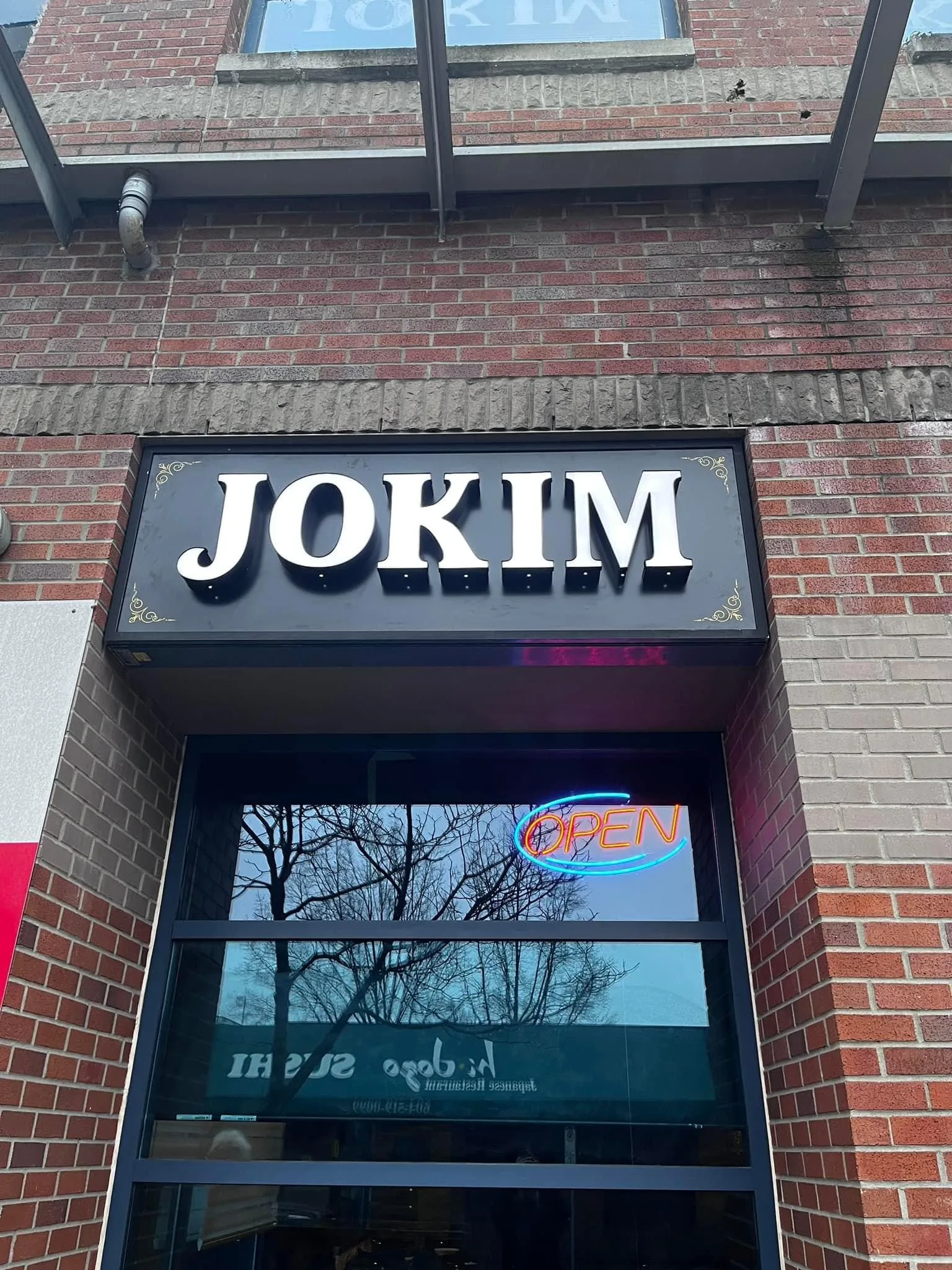
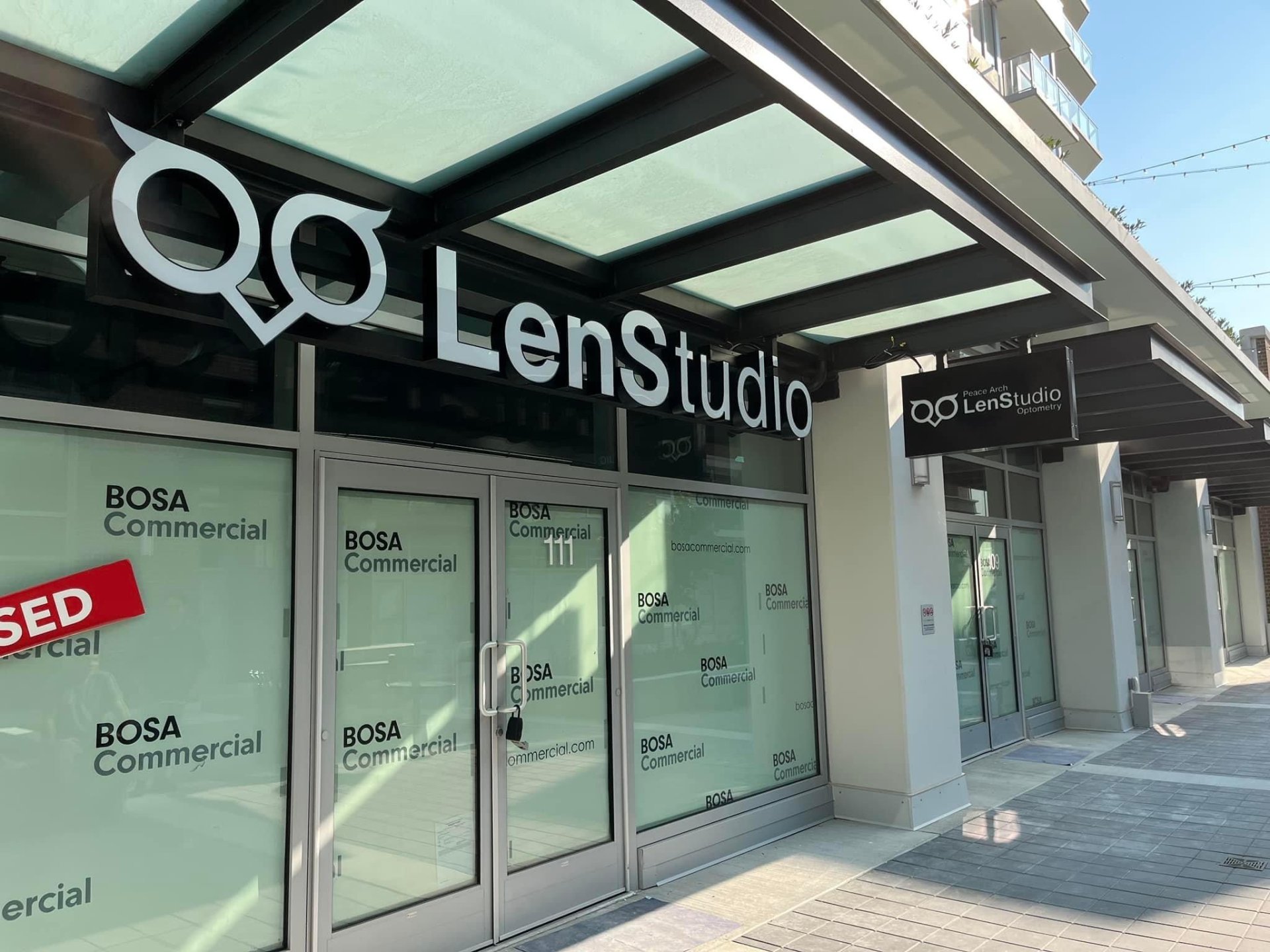
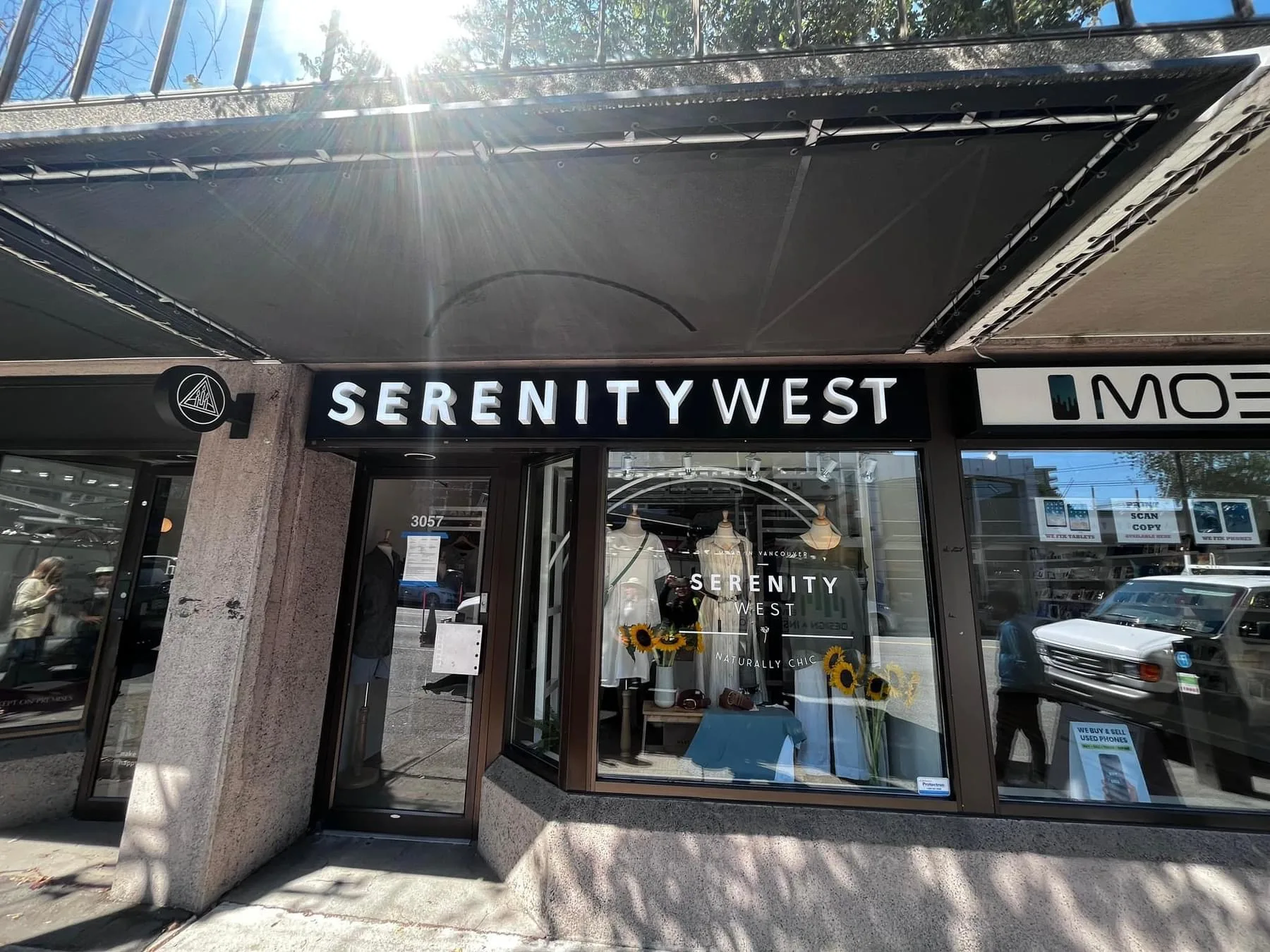
Channel letters are the workhorse of commercial signage: each letter is an individual fabricated can, formed from aluminium coil, closed with a returns wall, fitted with LED modules and finished with an acrylic or aluminium face. Built correctly they read cleanly by day, illuminate evenly by night, and last well beyond a decade on a coastal BC facade.
We fabricate every letter in our own shop. Coil is cut and notched on our bender, returns are welded rather than taped, backs are riveted and sealed, and each unit is powered up on the bench before it leaves. That last step catches the wiring faults that otherwise become a service call three weeks after handover.
Illumination options
Front-lit letters push light through a translucent acrylic face — the brightest and most legible option, and the most common choice for retail. Halo-lit (reverse channel) letters have an opaque face and throw light backwards onto the wall, producing a soft outline that suits professional services, hospitality and heritage frontages. Combination letters do both, and open-face letters expose the LED or neon element for a deliberately retro look.
Applications
- Retail and restaurant storefront fascias
- Multi-tenant plaza and strip-mall identification
- Office and medical building entrances
- Interior feature walls and reception areas
- Franchise rollouts requiring consistent reproduction across locations
How we build them
- Vector artwork is checked for minimum stroke width and letter spacing at the finished size.
- Faces and backs are CNC routed; returns are cut, notched and formed on the bender.
- Returns are welded to backs, seams dressed, and the can is prepped and sprayed.
- LED modules are laid out for even coverage, wired, and sealed at every entry point.
- Faces are trim-capped and fitted, then the letter is lit and inspected on the bench.
- A pattern is produced so the install crew can set the letters out accurately on site.
Benefits of channel letters
Even, hot-spot-free illumination
Module spacing is calculated against return depth and face material, so light is uniform across the face instead of blotchy near the LEDs.
Built for coastal weather
Welded returns, sealed electrical entries and marine-grade fasteners handle the wet winters of the Lower Mainland and the Island.
Colour matched properly
Faces are matched to your brand references in both day and night states — translucent vinyl reads differently backlit than it does flat.
Serviceable years later
Standard module and driver formats mean a failed component can be swapped, not the whole letter replaced.
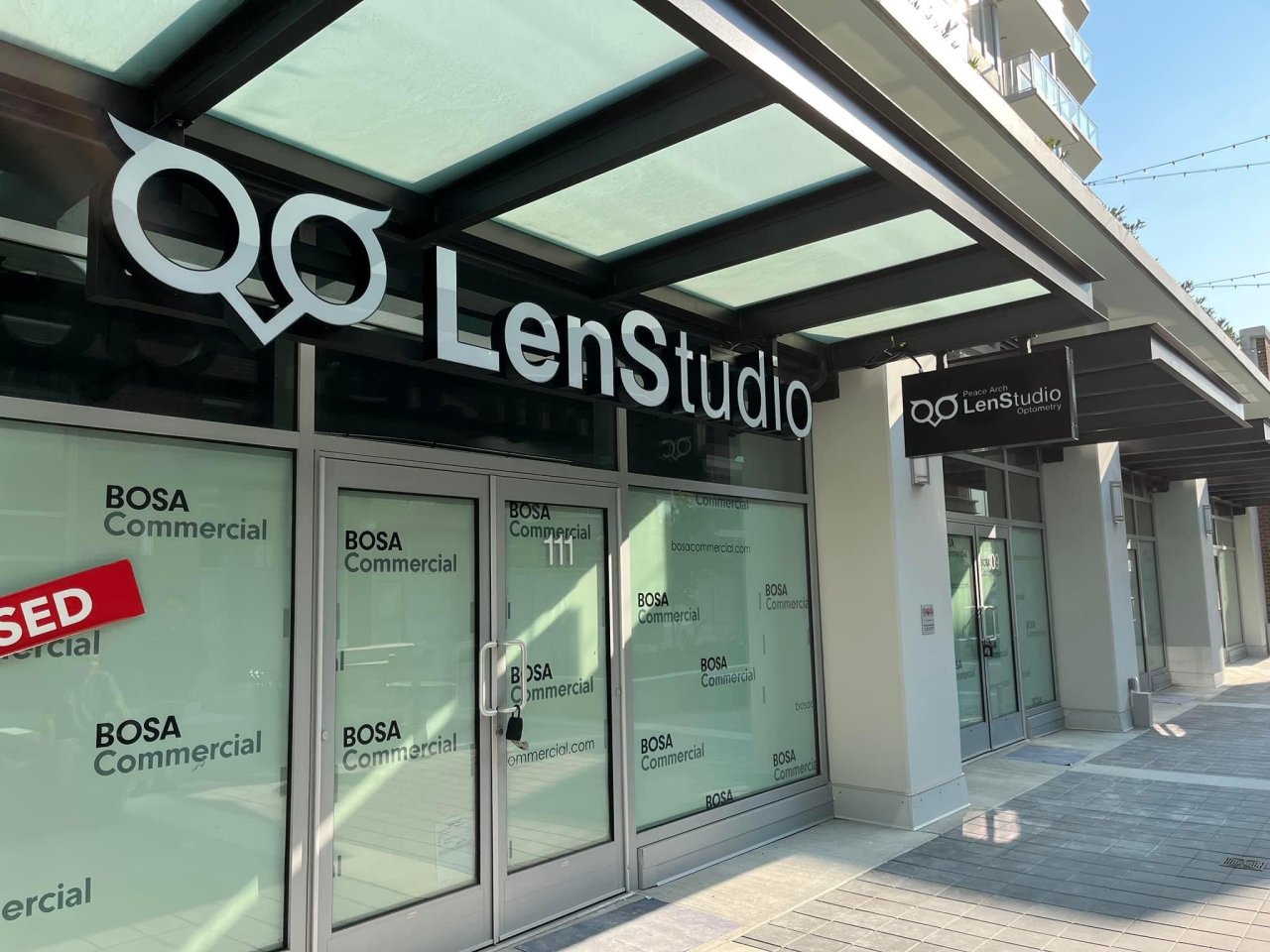
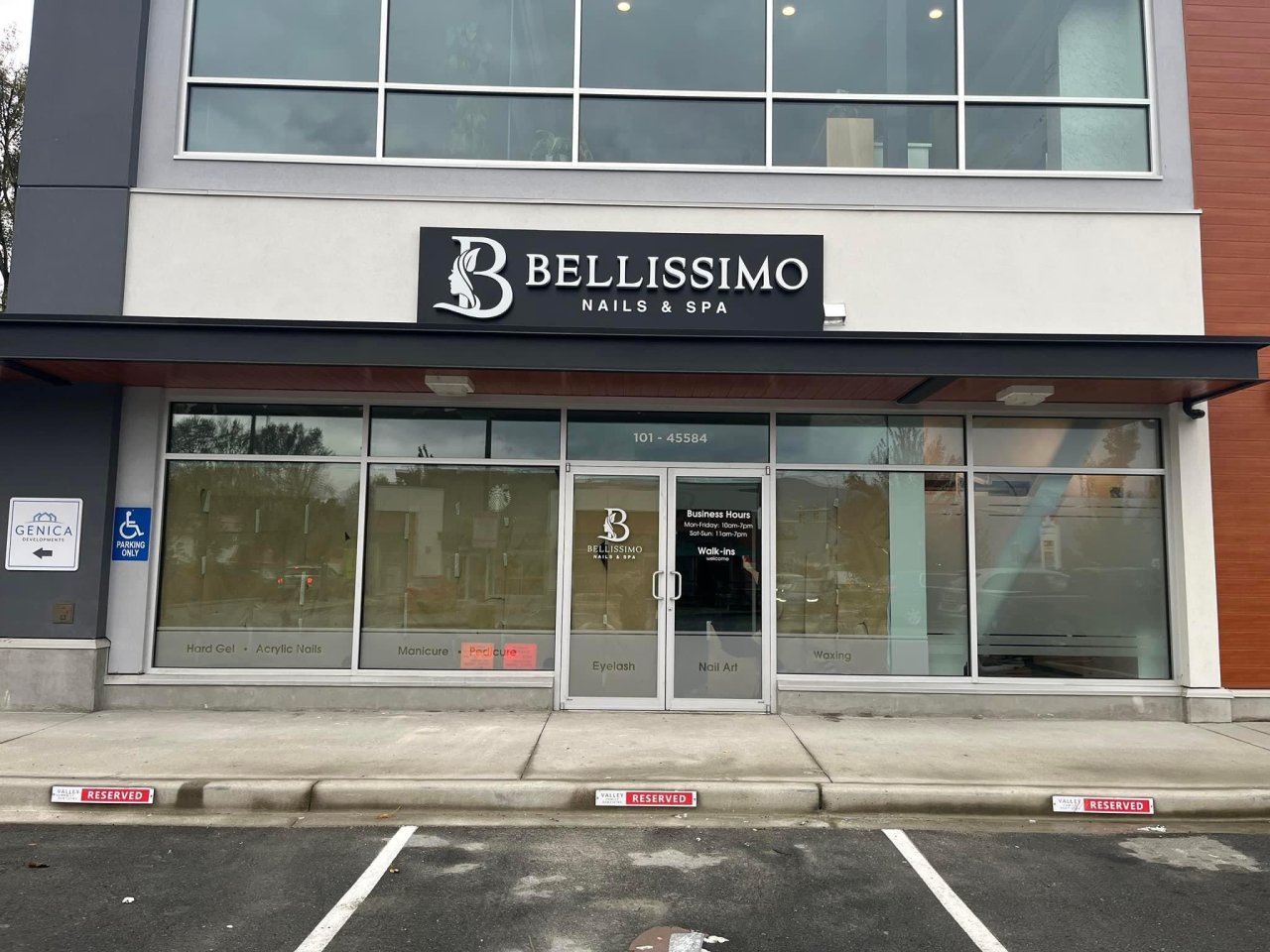
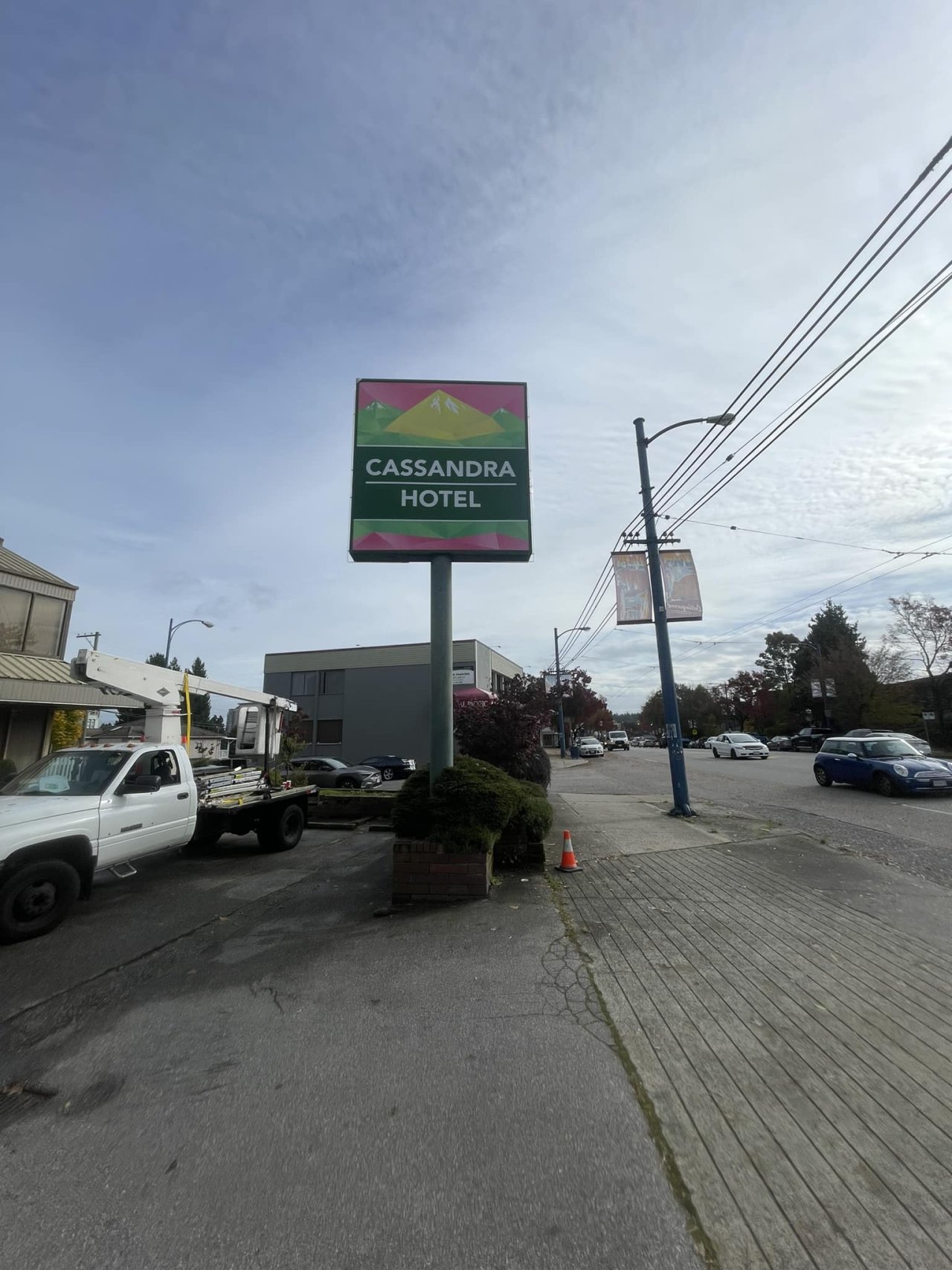
Channel Letters — recent work
Common questions
If your question is not answered here, get in touch — we are happy to talk through the detail.
Price a set of channel letters
Send us your logo file and the width of the fascia. We will come back with return depth options, illumination choices and an itemised price.